
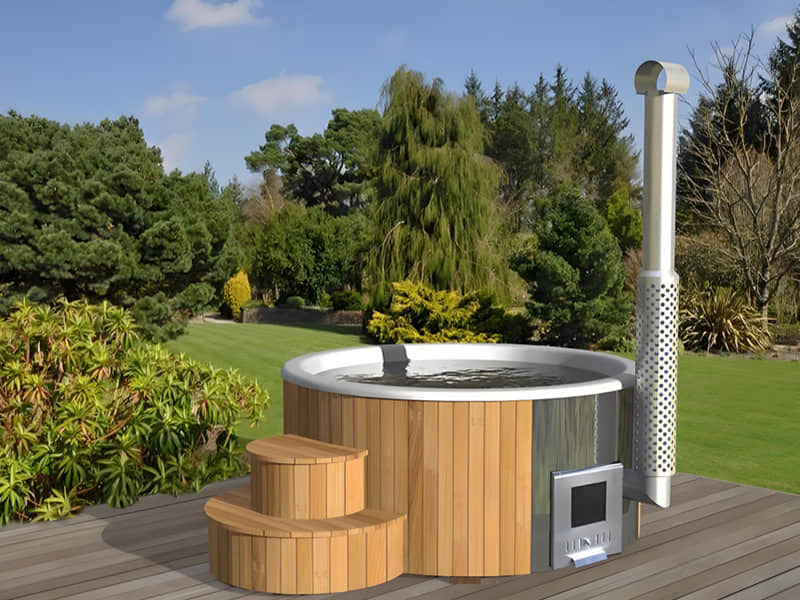
Unlocking the Ultimate Enjoyment of Outdoor Hot Tubs: Immersive Experiences and Scientific Wellness Guide
Imagine stepping into an outdoor hot tub under a starry sky or surrounded by lush greenery—the warm water gently wraps around your body, melting away stress and fatigue in an instant. This nature-immersed relaxation is not just a sensory delight but also a science-backed wellness ritual. Mastering the right approach allows you to embrace comfort while nurturing your health. Here’s a deep dive into the unique charm and practical essentials of outdoor hot tub bathing.
I. Immersive Outdoor Hot Tub Experiences
(一) Deep Connection with Nature
The moment you enter an outdoor hot tub, 37°C–40°C warm water awakens every inch of your skin, soothing your pores open. Gazing at the vast sky, swaying branches, or a gentle stream, listening to the sounds of nature, and breathing fresh air—you’ll feel at one with the environment, achieving profound physical and mental healing.
(二) A Warm Sensory Feast
The ideal water temperature acts like a gentle embrace, naturally expanding blood vessels, enhancing circulation, and effectively relieving muscle tension and soreness. In cold seasons, this warmth from within not only dispels chill but also calms the nerves, offering full-body relaxation.
(三) Versatile Scenarios for Socializing or Solitude
Outdoor hot tubs cater to both social gatherings and quiet solitude. Share laughter with friends or family amid the steaming water to strengthen bonds; or enjoy solo moments by lighting aromatherapy, playing soft music, and reflecting in peace.
II. Core Elements of Scientific Wellness Bathing
(一) The Gold Standard for Quality Water
Not all warm water offers wellness benefits. Nourishing water must meet three criteria:
• Contains over 1g of solid minerals per liter;
• Includes active gases like carbon dioxide, hydrogen sulfide, or radon;
• Features trace elements such as iron, iodine, bromine, and fluorine, which absorb through the skin to regulate bodily functions.
(二) Precise Control of Bathing Duration
A typical soak lasts 15–20 minutes, but adjust for individual needs. Elders, children, or those with lower stamina should limit it to 10 minutes or less, ending when slightly sweaty. Stop immediately if胸闷, dizziness, or palpitations occur.
(三) The Wellness Secrets of Specialized Bathing Methods
• Waterfall Bath: Uses flowing water to stimulate meridians and muscles, ideal for manual laborers to relieve fatigue;
• Half-Body Bath: Immerse the lower body to regulate body temperature, balance hormones, and improve leg circulation—perfect for women who stand for long hours;
• Patting Bath: Gently pat loose skin (10–15 times) in warm or cool water to enhance skin firmness;
• Mud Bath: Apply heated mineral-rich mud or soak in mud to beautify skin and relieve joint pain. Start at 37°C, gradually increase temperature, and soak for 10–20 minutes per session.
III. Essential Safety and Health Guidelines
1. Frequency: 2–3 times weekly. Excessive soaking damages the skin barrier, causing dryness and itchiness.
2. Water Temperature: Keep below 42°C using a thermometer. Warm up briefly before bathing to avoid sudden blood vessel constriction.
3. Contraindications: Avoid hot tubs if you have cardiovascular diseases, are intoxicated, or have skin injuries/inflammation to prevent complications.
4. Hydration and Skincare: Drink water during soaking and apply a face mask or cold towel to protect skin from heat damage.
5. Environment and Equipment: Ensure non-slip flooring, regular tub cleaning, and safe electrical wiring to prevent accidents.
In a fast-paced life, taking time for an outdoor hot tub experience—guided by science—renews both body and mind. Whether pursuing wellness or seeking relaxation, this blend of nature and warmth is an unmissable treat.


 English
 Русский