
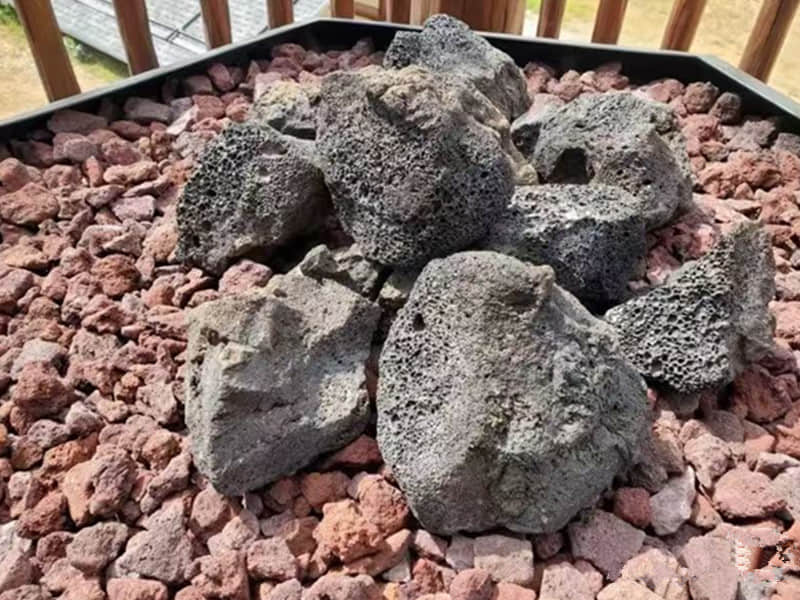
Understanding Sauna Stones: Types and Benefits
Sauna stones are essential components in creating an authentic sauna experience. They come in two primary types: regular rocks and volcanic stones. While volcanic stones are more expensive, they offer superior performance and a longer lifespan, making them a sustainable choice. For those looking to equip their home sauna, volcanic stones are highly recommended for their durability and effectiveness.
The Role of Sauna Stones
Sauna stones serve two critical functions in a sauna room:
Humidity Regulation
By splashing water onto heated sauna stones, the stones absorb heat and evaporate the water, producing steam. This steam creates a misty environment, significantly increasing the humidity in the sauna. This prevents the dry, desert-like heat from causing dehydration, ensuring a more comfortable and safer sauna experience.Fire Safety
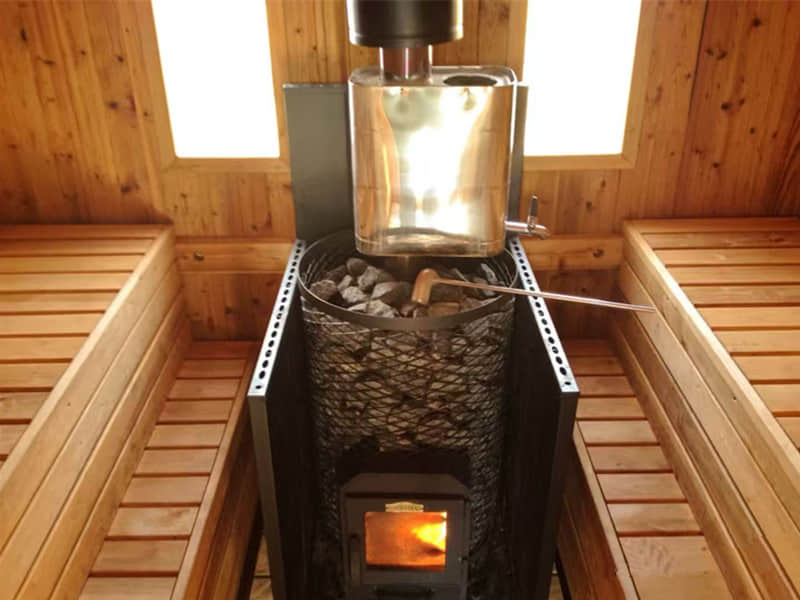
Sauna stones act as a protective layer over the heating elements in a sauna stove. Without stones, the intense heat could pose a fire hazard. By covering the heating elements, sauna stones reduce the risk of fire, making them a vital safety feature for home saunas.
How Sauna Stones Work
The heating mechanism of sauna stones relies on the electric heating elements within the sauna stove. These elements generate heat, which is transferred to the stones. Sauna stoves typically range in power from 3KW to 30KW, with internal temperatures reaching 300-500°C—comparable to the flame of a lighter. In some cases, temperatures can climb as high as 500-600°C. Due to these extreme temperatures, caution is essential when operating a sauna to ensure safety.
Why Choose Volcanic Stones?
Volcanic stones are preferred for their porous structure, which allows for better heat absorption and even steam distribution. This ensures a consistent and enjoyable sauna experience. Additionally, their durability makes them a cost-effective choice over time, as they require less frequent replacement compared to regular rocks.
Safety and Maintenance Tips
Choose Quality Stones: Select stones that are free of cracks and designed to withstand high temperatures.
Regular Inspections: Periodically check and replace stones to maintain optimal performance and safety.
Safe Operation: Always handle heated stones with care to avoid burns or accidents.
Whether you're setting up a new sauna or upgrading an existing one, choosing the right sauna stones—particularly volcanic stones—can enhance both the experience and safety of your sauna sessions.


 English
 Русский