
🛁 Modern Bathtub Materials vs. Traditional Wooden Tubs: A Market Perspective
Modern Bathtub Materials: Pros and Cons
Modern bathtubs, typically made from synthetic stone, acrylic, or cast iron, dominate today’s market due to their durability and low maintenance. These materials resist water damage, withstand temperature changes, and require minimal upkeep, making them ideal for fast-paced lifestyles. Acrylic is lightweight and cost-effective, while cast iron offers unmatched sturdiness. However, these materials often lack the warmth and aesthetic charm of natural wood, feeling cold or impersonal to some users.
Traditional Wooden Bathtubs: Pros and Cons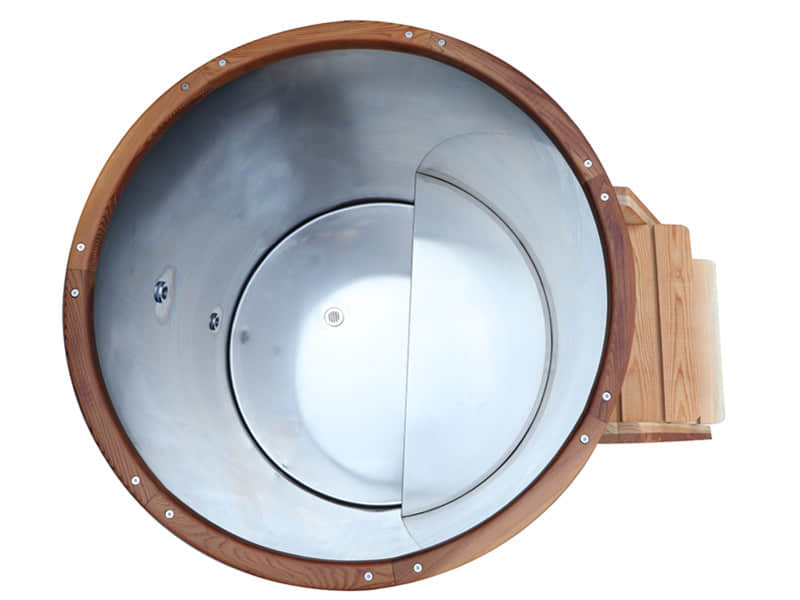
Wooden bathtubs, or timber tubs, exude a natural, luxurious appeal, evoking tranquility and craftsmanship. Their organic texture creates a spa-like experience. Yet, their sensitivity to humidity and water makes them prone to cracking or warping, demanding regular sealing and care. Installation and repairs require specialized skills, increasing costs and reducing their practicality compared to modern alternatives.
Market Trends
The global bathtub market, valued at over $7 billion in 2023, leans heavily toward durable, low-maintenance materials like acrylic and fiberglass, driven by urbanization and consumer demand for convenience. However, eco-conscious consumers and luxury markets are reviving interest in sustainable, artisanal options like wooden tubs, particularly in high-end or eco-friendly niches.
Hybrid Outdoor Bathtubs: Stainless Steel and Wood
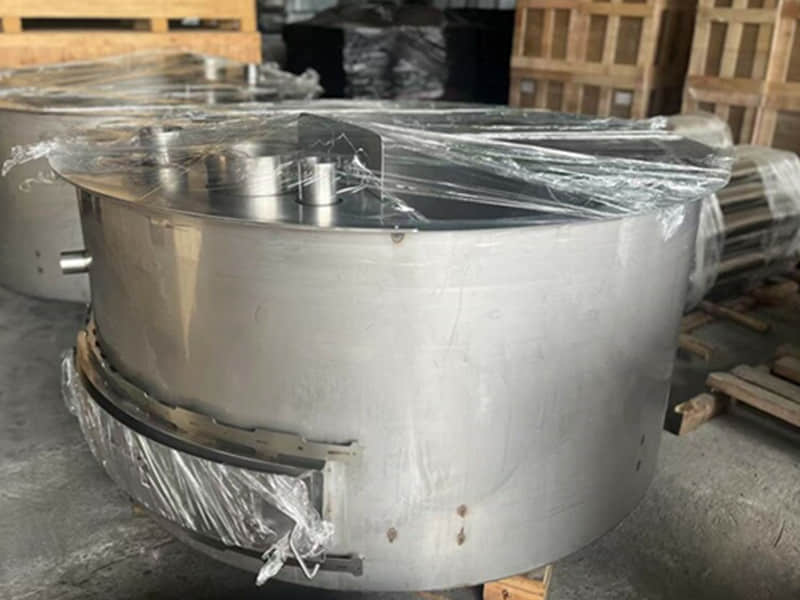
A promising trend is hybrid outdoor bathtubs featuring stainless steel linings wrapped in wooden exteriors. The steel lining ensures water resistance and durability, addressing wood’s vulnerabilities, while the wooden exterior retains its aesthetic warmth and eco-friendly appeal. These tubs are gaining traction in luxury resorts, wellness retreats, and high-end homes, especially in regions like North America and Asia-Pacific, where outdoor spa experiences are trending. Their durability suits harsh outdoor conditions, and the blend of modern and traditional aesthetics appeals to affluent, eco-conscious consumers. However, high production costs and specialized installation may limit mass-market adoption, positioning these tubs as a premium niche product.
Could hybrid tubs bridge the gap between practicality and tradition? Share your thoughts!


 English
 Русский