

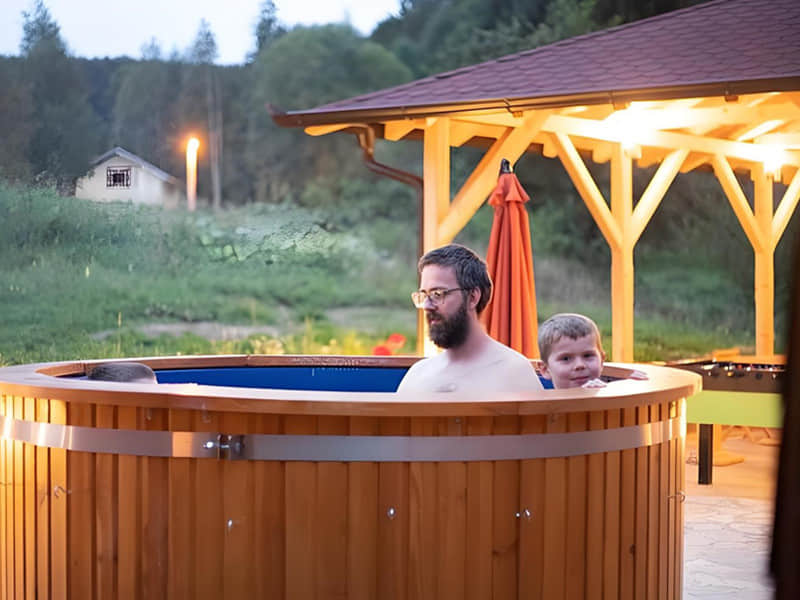
Saunavs Hot Bath: Unwinding in Different Ways
Saunas and hot baths are two popular ways to relax, yet they come with unique sets of advantages, drawbacks, and precautions. A sauna is typically a heated room, often constructed from wood, where temperatures can soar from 70°C to 100°C. The intense heat stimulates sweating, effectively flushing out toxins and enhancing blood circulation. It's also renowned for relieving muscle stiffness, improving skin texture, and boosting mood by triggering the release of endorphins. However, saunas have their downsides. The extreme heat can cause dehydration quickly, and individuals with heart conditions or low blood pressure should exercise caution, as the sudden rise in body temperature may strain the cardiovascular system. Additionally, staying in a sauna for too long can lead to dizziness or fainting. It’s crucial to hydrate thoroughly before and after, limit sessions to 15–20 minutes, and avoid using it if you’re feeling unwell.
Hot baths, on the other hand, offer a more customizable experience. You can adjust the water temperature (usually around 38°C to 40°C) and enhance relaxation with bath salts, essential oils, or bubbles. Soaking in warm water soothes sore muscles, reduces stress, and promotes better sleep by lowering core body temperature post-bath. The buoyancy of the water eases joint pressure, making it suitable for people with mild joint pain. Nevertheless, hot baths aren’t without risks. Prolonged exposure to hot water can dry out the skin and strip away natural oils. There’s also a risk of slipping and falling when getting in or out of the tub. Pregnant women should consult a doctor before taking very hot baths, as excessive heat may affect the fetus. To stay safe, keep bath time under 20 minutes, use non-slip mats, and moisturize your skin afterward.
Ultimately, the choice between a sauna and a hot bath hinges on personal health conditions, comfort preferences, and the ability to follow safety guidelines. Both can be wonderful methods for relaxation and wellness, but understanding their pros, cons, and necessary precautions is key to enjoying their benefits safely.


 English
 Русский