
Material Selection for Outdoor Bathtub
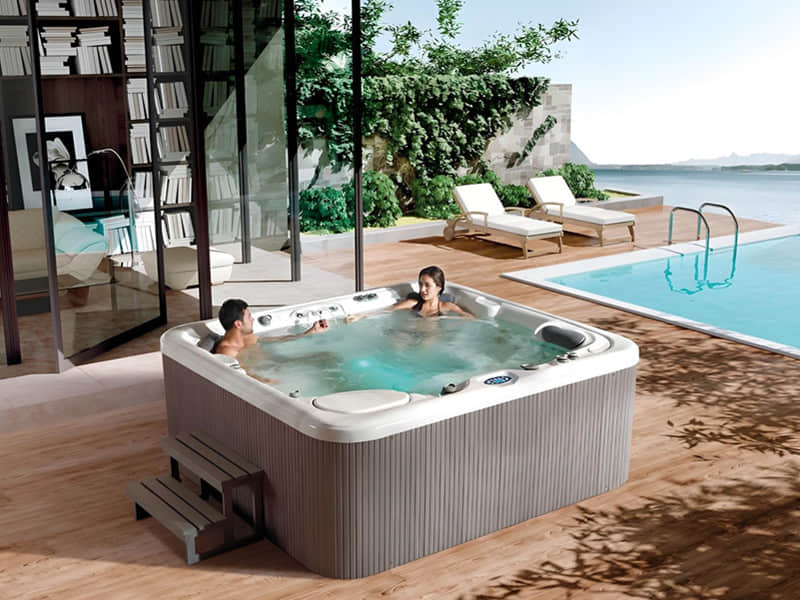
I. Selection Principles
When choosing materials for outdoor bathtubs, several key factors should be taken into consideration, including water resistance, corrosion resistance, anti - slip properties, and aesthetic appeal. By comparing the characteristics of different materials based on these factors, we can select the most suitable one. Additionally, it is crucial to fully consider the qualifications of bathtub manufacturers to ensure the purchase of high - quality outdoor hot - spring soaking bathtubs.
II. Common Materials
1. Wood
Wood is one of the most commonly used materials for outdoor bathtubs. It has a natural and rustic charm, providing a comfortable user experience, and is relatively affordable. However, wood requires regular application of waterproof coatings; otherwise, it is prone to moisture absorption and deformation. Moreover, due to its many grain patterns, wood is likely to trap dirt and grime, making it difficult to clean.
2. Stone
Stone is a high - end and elegant material for outdoor bathtubs. It offers a beautiful appearance, excellent water resistance, and is generally resistant to water corrosion. Additionally, stone has good anti - slip properties. Nevertheless, stone is relatively expensive, and both installation and maintenance come with certain costs.
3. Tile
As a common building material, tile is also very suitable for outdoor bathtubs. Tiles are water - resistant, anti - slip, and have a long service life, with a moderate price. However, tiles can give a cold and hard feeling, so they need to be used in combination with other materials to achieve better results.
4. Plastic
Plastic is one of the emerging materials in recent years. It is resistant to water, sunlight, and corrosion, resulting in a long service life. Plastic materials come in a wide variety of texture designs, meeting the diverse needs of different people, although the price is slightly higher.
5. Stainless Steel
Stainless steel has become an increasingly popular choice for outdoor bathtubs, especially for those designed for constant - temperature soaking. Its outstanding corrosion - resistance makes it highly suitable for outdoor environments where it may be exposed to various weather conditions. Stainless steel is not only durable but also easy to clean, as it doesn't have pores that can trap dirt like wood. It also has excellent heat - retention properties, which is ideal for constant - temperature outdoor soaking bathtubs. Although the initial cost of stainless - steel bathtubs may be higher than some other materials, their long - term durability and low maintenance requirements make them a cost - effective option in the long run. The sleek and modern appearance of stainless steel can also add a touch of sophistication to any outdoor bathing area.
III. Rational Selection
For different types of outdoor bathtubs, we need to choose materials according to actual needs. For simple - style bathtubs, wood or plastic are good choices due to their low cost and easy construction. For high - end customized bathtubs, stone or tile are excellent options. If you are looking for a bathtub with good heat - retention and durability for constant - temperature outdoor soaking, stainless steel may be the best fit.
Conclusion
When selecting outdoor bathtubs, it is necessary to consider both practicality and aesthetic appeal to create a comfortable, healthy, and beautiful space. Choosing the right material is the key to achieving this goal. Whether it's the natural feel of wood, the luxury of stone, the versatility of tile, the innovation of plastic, or the durability of stainless steel, each material has its own unique advantages for outdoor bathing and constant - temperature soaking experiences.


 English
 Русский