
Authentic Finnish Sauna Experience Tailored for China
Introduction
The Finnish sauna, widely regarded as the "originator of saunas," is more than just a bathing practice—it’s a cornerstone of Finnish culture. As the saying goes, “No sauna, no Finland!” In Finland, the sauna is not merely about hygiene; it’s a way of life. To create an authentic Finnish sauna experience in China, we must understand its "soul" and adapt it thoughtfully to local preferences. This article explores the five key characteristics of the Finnish sauna and offers suggestions for crafting a customized experience for the Chinese market.
Five Key Characteristics of the Finnish Sauna
1. Traditional “Dry Sauna” — Heat Over Humidity 🔥
The Finnish sauna is defined by its dry heat, with indoor temperatures reaching 80–100°C but maintaining low humidity, around 10–20%. This high-heat, low-humidity environment promotes intense sweating and deep relaxation without the discomfort of excessive moisture. Unlike the steam-heavy Russian banya, the Finnish sauna relies on pure heat to deliver a rejuvenating experience.
Suggestions for China:
Tech Upgrades: Introduce smart temperature and humidity control systems to ensure a consistent dry sauna environment, appealing to China’s tech-savvy consumers.
Air Quality: Incorporate advanced air purification systems to address urban air pollution concerns, ensuring clean air inside the sauna.
2. Wood-Burning is King, with a Focus on “Löyly” 🌟
A traditional Finnish sauna uses a wood-burning stove to heat stones, and water is poured over them to create steam, known as “löyly” in Finnish—literally the “soul of the sauna.” The quality of löyly (its temperature, density, and softness) is critical to the sauna experience. The choice of wood, stones, and the rhythm of pouring water are all essential elements.
Suggestions for China:
Eco-Friendly Stoves: Given China’s environmental regulations, use high-efficiency, low-emission wood stoves or electric heaters that mimic the wood-burning effect while preserving the löyly ritual.
Cultural Education: Incorporate explanations of löyly during the experience to deepen customers’ appreciation of its cultural significance.
Localized Aromas: Infuse the water with Chinese herbal essences (e.g., mugwort or mint) to blend Finnish tradition with Chinese wellness practices.
3. Standalone Cabins by Lakes or Forests 🏡
Finnish saunas are typically standalone wooden cabins, often built by lakes or in forests, surrounded by nature. After a steamy session, Finns love to plunge into icy lakes or roll in the snow for an exhilarating contrast. This interplay between sauna and nature is central to the Finnish experience.
Suggestions for China:
Urban Adaptation: In cities where lakeside cabins aren’t feasible, create modular sauna cabins in high-end residential areas or resorts, paired with artificial water features or cold plunge pools.
Rural Opportunities: In rural tourism areas like Yunnan, Guizhou, or Northeast China, build authentic sauna cabins near natural lakes or forests to attract high-end travelers.
Hot-Cold Contrast: Design hot-cold cycle zones with cold plunge pools, ice bucket showers, or low-temperature mist sprays to replicate the Finnish contrast experience.
4. Simplicity Over Luxury, Embracing Nature and Mindfulness 🧖
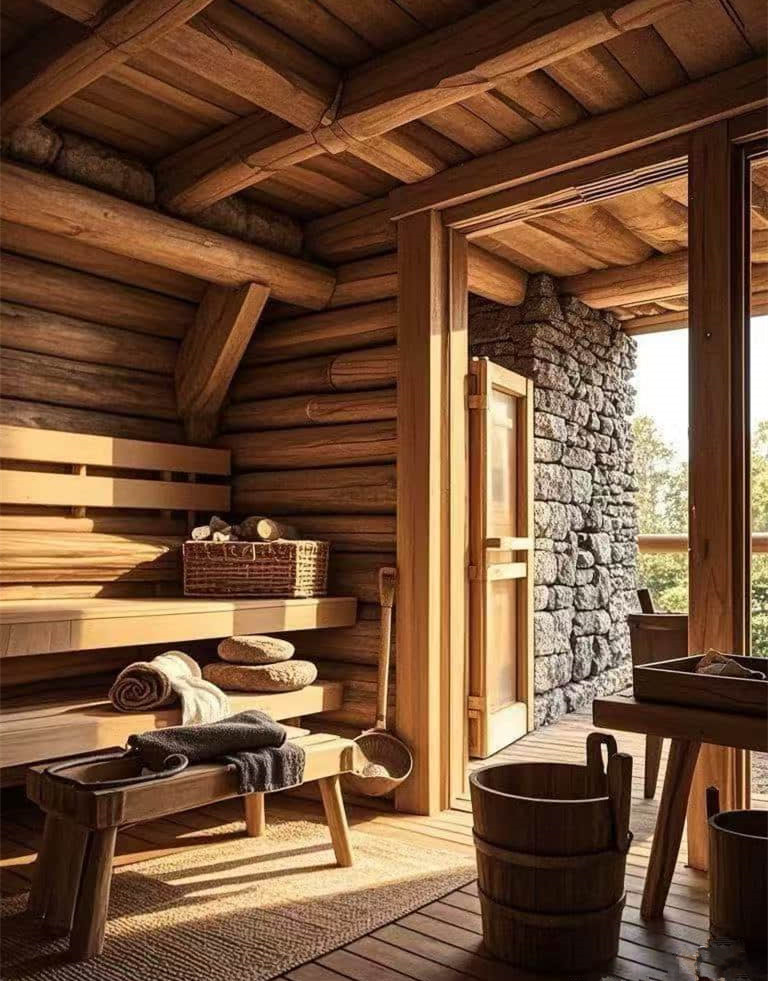
Finnish saunas embody simplicity and a connection to nature, with unadorned wooden interiors that promote mindfulness and relaxation. The sauna is a place for quiet reflection, where Finns often sit in silence to unwind and reconnect with themselves, far from the hustle and bustle.
Suggestions for China:
Minimalist Design: Retain the wooden aesthetic while incorporating Chinese Zen-inspired elements, such as bamboo decor or traditional lanterns, to create a serene atmosphere.
Immersive Experience: Add soft lighting and background sounds (e.g., nature sounds or gentle music) to cater to Chinese consumers’ preference for immersive environments.
Private Spaces: Offer single-person or small-group sauna rooms to align with Chinese consumers’ emphasis on privacy.
5. Social Ritual and Family Tradition 👨👩👧👦
In Finland, the sauna is more than personal hygiene—it’s a social and family ritual. Families gather in the sauna to chat and bond, friends use it as a venue for connection, and it’s a staple of holiday celebrations. This social aspect transforms the sauna into a meaningful cultural tradition.
Suggestions for China:
Family Packages: Offer sauna packages for families or friend groups, paired with tea rooms or relaxation lounges that incorporate Chinese tea culture or light snacks.
Festive Marketing: Tie sauna experiences to Chinese holidays like Spring Festival or Mid-Autumn Festival to enhance the sense of ritual.
Corporate Events: Develop sauna experiences for corporate team-building or business meetings, combined with wellness workshops, to attract high-end clients.
Opportunities and Challenges in the Chinese Market
Opportunities
Consumer Trends: With China’s growing middle class, demand for health, wellness, and premium experiences is rising, making the Finnish sauna’s health benefits and relaxation appeal a perfect fit.
Cultural Synergy: The sauna’s emphasis on nature and simplicity aligns with Chinese wellness traditions like Traditional Chinese Medicine and hot spring culture, facilitating localization.
Tourism Growth: China’s booming tourism industry offers opportunities for high-end resorts, spa hotels, and homestays to incorporate Finnish saunas as a unique selling point.
Challenges
Cultural Differences: Many Chinese consumers associate saunas with generic bathhouses, requiring education to highlight the Finnish sauna’s unique cultural and wellness value.
Urban Constraints: Replicating the natural, lakeside sauna experience in urban settings demands creative design solutions.
Cost Sensitivity: High-quality, authentic sauna setups may face cost barriers in price-sensitive markets, necessitating scalable options.
Conclusion
To bring the authentic Finnish sauna experience to China, businesses must balance cultural fidelity with local preferences. By preserving the sauna’s core elements—dry heat, löyly, natural simplicity, and social ritual—while integrating Chinese wellness traditions, technology, and market demands, the Finnish sauna can evolve from a foreign concept to a beloved lifestyle in China. The future belongs to teams that understand culture, design, and experiential innovation.


 English
 Русский